Businesses are increasingly looking for practical ways to support environmental sustainability while improving operations. Installing commercial electric vehicle (EV) charging stations provides a simple yet effective solution. These stations not only encourage the adoption of clean energy vehicles but also enhance a company’s reputation, attract eco-conscious customers, and contribute to long-term cost savings. By integrating EV charging into daily operations, businesses can demonstrate their commitment to sustainability, support employee convenience, and play a role in reducing carbon emissions. Using commercial EV charging stations is a proactive step toward greener and more efficient business practices.
Benefits of Commercial EV Charging Stations
Installing EV charging stations offers multiple advantages for businesses, from environmental impact to operational efficiency. Comparing different providers helps determine the ideal ev charging station franchise cost for your business plan. Key benefits include:
- Sustainability Leadership: Supports the shift toward renewable energy and reduces carbon footprint.
- Customer Attraction: Attracts clients and visitors who prefer businesses offering EV charging facilities.
- Employee Convenience: Provides employees with accessible charging options, enhancing satisfaction and retention.
- Revenue Opportunities: Some stations allow businesses to earn through charging fees while supporting the community.
- Future-Proofing: Prepares the business for growing EV adoption and evolving energy standards.
Features to Consider for Commercial EV Stations
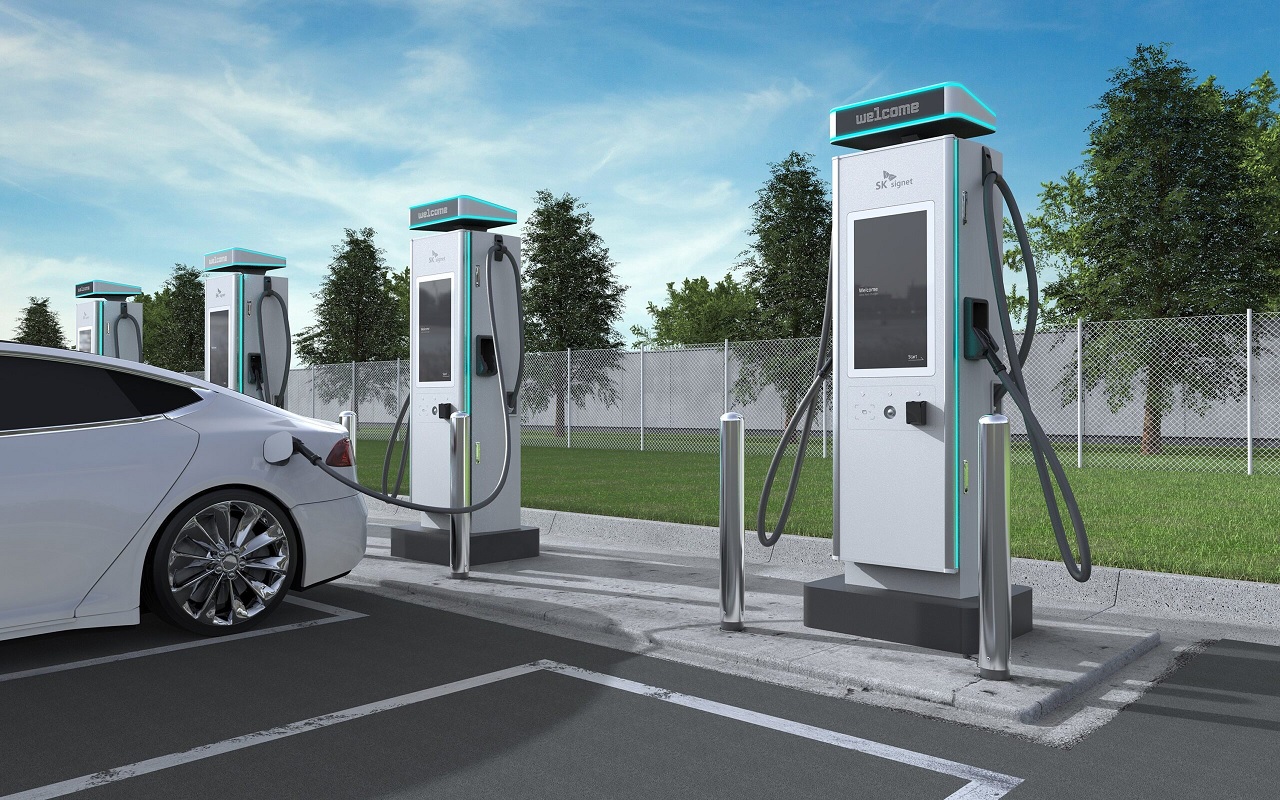
To maximize effectiveness, businesses should evaluate the following features when selecting a commercial EV charging station:
- Charging Speed: Fast chargers reduce wait time for customers and employees.
- Durability: Robust units withstand heavy daily usage and outdoor conditions.
- Smart Connectivity: Offers monitoring, usage data, and remote management for efficiency.
- Safety Features: Built-in protections prevent electrical hazards and ensure reliable operation.
- Scalability: Supports expansion as EV adoption increases over time.
Best Practices for Daily Use
Proper management of EV charging stations ensures continuous service and long-term benefits. Businesses should consider:
- Scheduled Maintenance: Regular inspections prevent malfunctions and maintain safety.
- Clear Signage: Guides drivers to available chargers and promotes organized usage.
- Accessible Location: Install stations where vehicles can park conveniently without blocking traffic.
- Usage Tracking: Monitor charging patterns to optimize energy usage and costs.
- Employee Training: Educate staff on operation, safety, and troubleshooting.
Sustainability and Business Growth
Commercial EV charging stations provide measurable sustainability benefits that strengthen a company’s market position. Businesses that adopt these stations can reduce environmental impact while improving operational efficiency. Business owners often wonder, how much does a commercial ev charging station cost before committing to green initiatives. Key sustainability practices include:
- Encouraging employees and customers to switch to electric vehicles.
- Tracking energy usage to identify areas for further efficiency improvements.
- Partnering with energy providers to support renewable energy sources.
Conclusion
Integrating commercial EV charging stations into daily business operations offers both ecological and practical advantages. These stations help businesses demonstrate sustainability, attract and retain customers and employees, and prepare for a future driven by clean energy. With careful planning, proper installation, and routine maintenance, companies can maximize the benefits of EV charging infrastructure. By adopting commercial EV charging, businesses not only support environmental responsibility but also gain a competitive edge, reduce operational costs, and contribute to a greener, more sustainable future.