Day: December 13, 2024

AI Tools Leading the Charge in Cutting-Edge Cybersecurity SolutionsAI Tools Leading the Charge in Cutting-Edge Cybersecurity Solutions

In the rapidly evolving landscape of cybersecurity, artificial intelligence AI tools are playing a pivotal role in shaping the future of digital defense. As cyber threats become increasingly sophisticated and widespread, traditional security measures alone are no longer sufficient to safeguard against the myriad of risks that organizations face today. AI-powered solutions are leveraging machine learning algorithms to detect anomalies, predict potential breaches, and respond in real time to prevent attacks. These advanced systems can analyze vast amounts of data at unprecedented speeds, enabling them to identify patterns and trends that might otherwise go unnoticed by human analysts. By automating these processes, AI significantly reduces the time required to detect and mitigate threats, providing organizations with a robust defense mechanism against malicious activities. One of the most significant advantages of AI in cybersecurity is its ability to adapt and learn over time. Unlike traditional security measures that rely on predefined rules and signatures, AI systems can evolve as new threats emerge. This adaptability allows them to stay ahead of attackers by continuously updating their knowledge base and improving their detection capabilities.
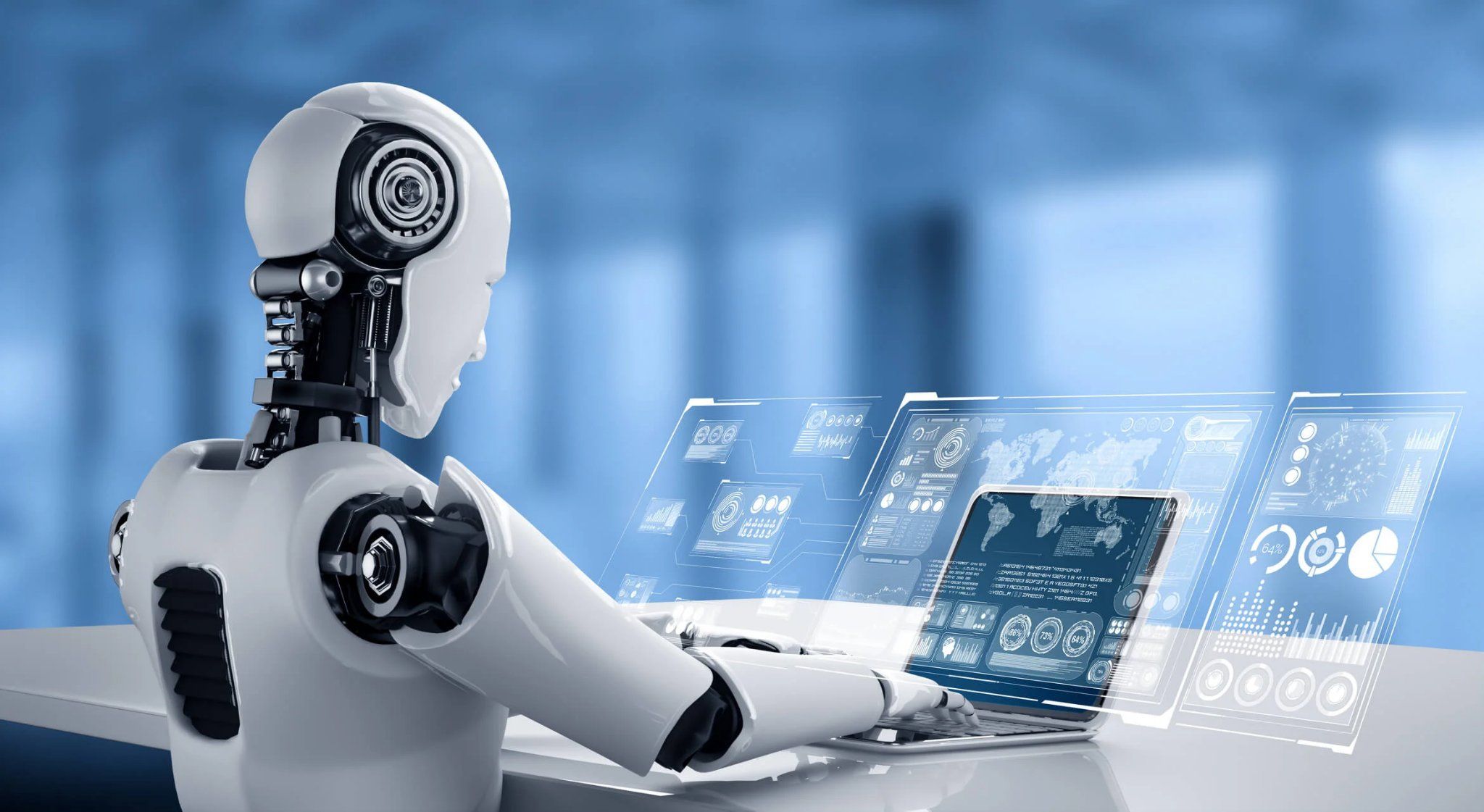
The 15 Most Popular AI Tools In 2023

Through the process of machine learning, AI tools can recognize subtle changes in behavior patterns, identify zero-day vulnerabilities, and predict the tactics of sophisticated cybercriminals. This dynamic response to new threats ensures that security measures remain relevant and effective in the face of an ever-changing threat landscape. AI also enhances the efficiency of cybersecurity operations by automating routine tasks and processes. From monitoring network traffic to scanning for vulnerabilities, AI tools can handle these functions with minimal human intervention. This not only saves time and resources but also allows cybersecurity professionals to focus on more complex tasks, such as threat hunting and incident response. Automation reduces the potential for human error and ensures that security measures are consistently applied across an organization. Additionally, AI-driven solutions can prioritize alerts based on the severity of the threat, enabling faster decision-making and intervention. This proactive approach to cybersecurity helps organizations to respond swiftly to emerging threats and to prevent potential breaches before they occur.

Moreover, the integration of best ai platforms in cybersecurity provides valuable insights through data analysis. By processing vast amounts of data from various sources, including social media, email traffic, and network logs, AI can detect early signs of suspicious activity. This ability to correlate and analyze disparate data points enables organizations to identify threats that might otherwise go unnoticed. Furthermore, AI can provide context to these insights, helping security teams understand the potential impact of a breach and the steps required to mitigate it. This level of detailed analysis allows for a more comprehensive approach to cybersecurity, blending automated threat detection with human expertise to respond effectively to complex threats. As AI tools become more sophisticated, they are increasingly being used to complement existing security measures rather than replace them entirely. The collaborative approach, combining human intelligence with AI capabilities, is proving to be the most effective strategy in cybersecurity. Humans bring critical thinking, intuition, and experience to the table, while AI brings speed, precision, and scalability.

Durable Adhesive Creates Strong Bonds in Demanding Heat ApplicationsDurable Adhesive Creates Strong Bonds in Demanding Heat Applications

Durable adhesives designed for high-heat applications play a crucial role in industries where components are subjected to extreme temperature fluctuations. These adhesives are engineered to maintain strong bonds, even under conditions that would typically cause standard adhesives to fail, such as excessive heat, thermal cycling, and continuous exposure to high temperatures. In industries like automotive manufacturing, aerospace, electronics, and construction, where temperature extremes are commonplace, using a reliable adhesive can be the difference between a successful application and a failure that can lead to costly repairs or safety hazards. One of the primary factors that make heat-resistant adhesives so valuable is their ability to withstand thermal expansion and contraction. As materials expand and contract with temperature changes, they put significant stress on the bond. A typical adhesive might break down under these stresses, but high-temperature adhesives are formulated to resist these forces, ensuring that the bond remains intact even when exposed to thermal cycling.

Heat Resistant Glue

These adhesives are often based on advanced polymers or resins that are specifically engineered to have high glass transition temperatures Tg, meaning they maintain their structural integrity at higher temperatures without losing flexibility or strength. The formulation of heat-resistant adhesives can also include inorganic materials like ceramics or metal-based components, which can improve their heat resistance even further. These additives help create a more robust bond, capable of withstanding temperatures that would cause typical adhesives to soften, degrade, or lose their bonding properties. For instance, silicone-based adhesives are widely used for their excellent heat resistance, making them suitable for applications that experience temperatures upwards of 300°C 572°F. Epoxies and polyimides are also commonly used for more demanding applications, offering excellent stability and performance at even higher temperatures. Durable adhesives for high-heat applications are not only essential for their heat resistance but also for their overall durability and longevity.

In automotive and aerospace applications, for example, adhesive bonds are often used to hold together vital components like engine parts, body panels, and electronic assemblies. These components must endure not only high temperatures but also vibrations, mechanical stress, and exposure to various chemicals. A durable adhesive ensures that these bonds remain intact throughout the life of the vehicle or aircraft, even in the most extreme operational conditions. The importance of a strong Lijm voor hoge temperaturen bond in high-temperature environments cannot be overstated. In automotive and aerospace applications, failures in bonding can lead to catastrophic results, such as engine malfunctions, compromised structural integrity, or the failure of critical systems. In electronics, where heat generation is inevitable in high-performance components like processors and circuit boards, adhesives are used to secure heat sinks and thermal interface materials. These adhesives not only bond components but also help dissipate heat, preventing overheating and damage to sensitive electronic parts.